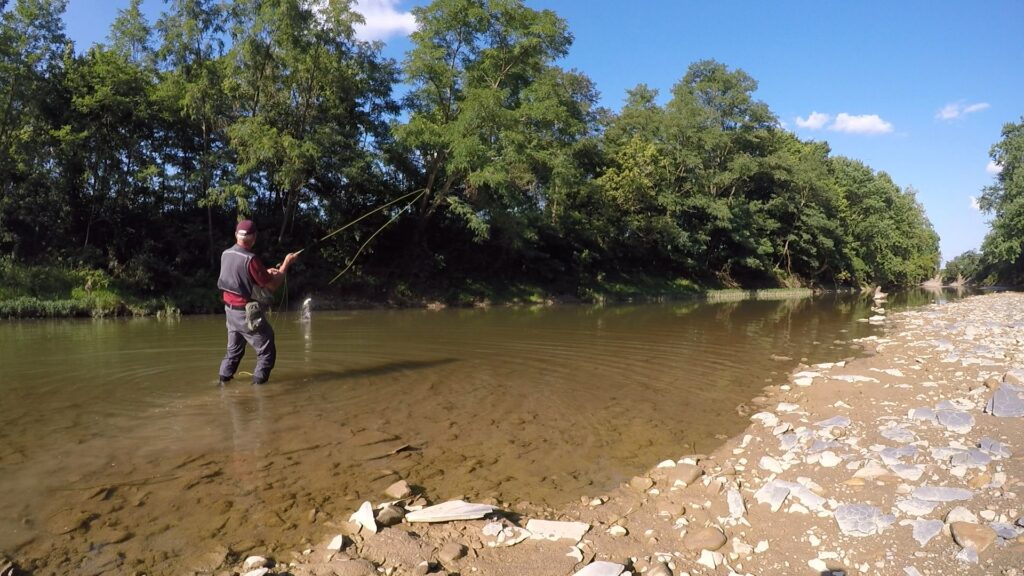
If you’re not catching fish, you may be overcomplicating something that is supposed to be fun.
There is more fishing information available today than ever before. Videos, podcasts, books, articles, social-media groups, guides, influencers—and, yes, people like me.
Some of it is excellent. Some of it comes from somebody who caught a fish, possibly the biggest fish they have ever caught, and suddenly believes they have discovered the secret to fishing.
Never mind that they may have only been fishing for a few years.
I have been fishing for more than 62 years, and I still don’t know enough to call myself an expert or a guru. I have learned plenty—but I have also learned that plenty of things do not always work.
Sometimes a technique works because the conditions were right.
Sometimes a fly works because the fish were already willing to eat.
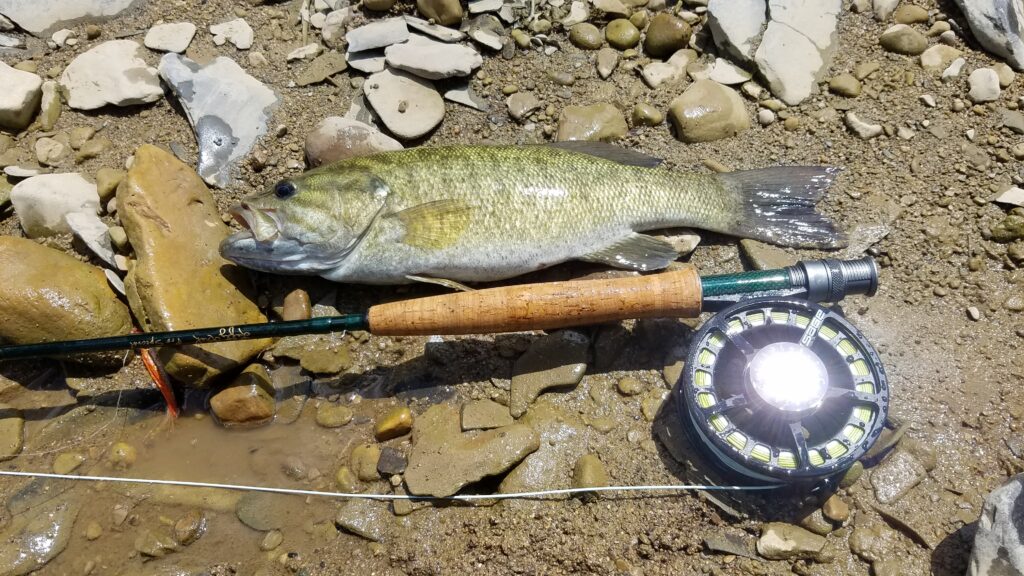
Sometimes we catch one unusually good fish and give all the credit to whatever happened to be tied onto the end of our line.
Then we tell everyone else that they need to use it.
That is how one successful experience can quickly become a “rule.”
At the same time, I am still discovering things that are new to me. Some work, some don’t, and some work only under certain conditions. After more than six decades of fishing, the water can still prove me wrong—and that is one of the things I enjoy most about it.
So, here is my advice if you truly want to become a better fisherman:
You need to get out more—and fish.
Indiana Jones once said, “If you want to be a good archaeologist, you’ve got to get out of the library.”
The same principle applies to fishing:
If you want to become good at fishing, you have to get out on the water.
You can learn knots at home. You can study flies, rods, reels, lines and leaders. You can watch someone else read a stream. You can listen to people explain where fish should be holding.
But eventually, you must step into the water and find out for yourself.
You need to make casts that fail.
You need to lose flies in trees.
You need to fish water that looks perfect and discover that nothing is there.
You need to catch fish where someone else told you there shouldn’t be any.
You need to return to the same creek when the water is higher, lower, clearer, muddier, warmer and colder. Only then will you begin to understand that fish do not follow our rules. They respond to the conditions they are living in at that particular moment.
There are fishermen who catch fish throughout the year. When they consistently find fish under changing conditions, are they relying entirely on someone else’s experiences—or are they relying on their own?
Most likely, they began by learning from other people. We all do. But then they tested that information on the water. They kept what worked, questioned what didn’t and adjusted it to fit their own waters.
That is the difference between collecting information and gaining experience.
Information tells you what worked for someone else.
Experience begins teaching you why, when and where it might work for you.
The danger comes when we allow too much information to make fishing more complicated than it needs to be. We become afraid to choose the wrong rod, wrong line, wrong leader, wrong fly, wrong knot, wrong color or wrong retrieve.
Before long, we are carrying enough equipment to supply a small fly shop—and still questioning every cast.
Meanwhile, the fisherman carrying one rod and a handful of proven flies is working his way upstream, watching the water and catching fish.
That doesn’t mean equipment and technique are unimportant. Good equipment can make the job easier. Understanding flies, leaders and casting can certainly improve your chances.
But equipment cannot replace observation.
A fly cannot catch a fish if it never reaches one.
The perfect cast does not help if it is made into empty water.
And an expensive rod cannot tell you why the fish moved from the fast current into the slower water along the bank.
The best fishermen I know pay attention.
They notice water temperature, depth and clarity. They watch current seams, shade, structure and insect activity. They remember where they caught fish under similar conditions. Most importantly, when something is not working, they change something—but they don’t necessarily change everything at once.
That is another way we overcomplicate fishing. After ten minutes without a strike, we change the fly, leader, location, depth and retrieve all at the same time.
Then, if we catch a fish, we have no idea which change actually mattered.
Change one thing. Give it a fair chance. Observe what happens. Then make another adjustment if necessary.
That is how experience is built.
There is nothing wrong with listening to another fisherman’s advice. I still listen. I still learn. But advice should give you something to test—not something you must accept as an unquestionable rule.
Fishing information is borrowed knowledge.
Time on the water turns it into your own understanding.
So, simplify your equipment. Carry what you need. Learn a few flies and techniques well. Pay attention to the conditions. Make your own observations. Remember what the fish teach you.
And stop worrying about whether you are doing everything exactly the way someone on the internet says it must be done.
Fishing is technical—but catching fish does not have to become complicated.
Sometimes the best answer is simply:
Get out of the library, get onto the water—and fish.
Leave a Reply
You must be logged in to post a comment.